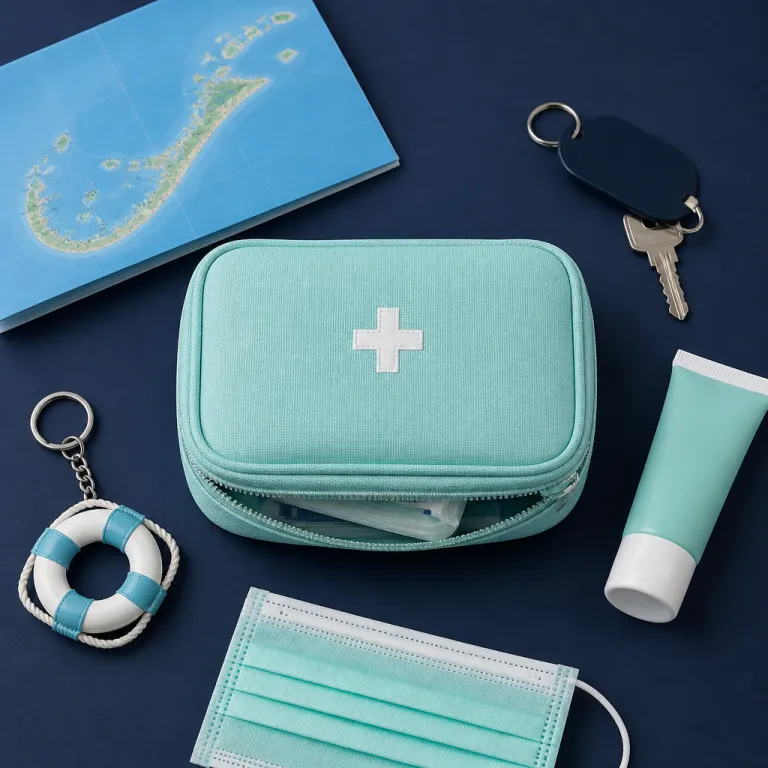
Understanding Bermuda safety for tourists before you book
Bermuda safety for tourists is a central concern when choosing a hotel. For anyone planning to travel and visit Bermuda for a coastal escape, understanding how the island manages health, crime, and emergency response will shape where you stay and how you move around. This is especially true if your trip focuses on Bermuda Hamilton, where most hotels, restaurants, and transport options cluster within a compact urban area.
The island of Bermuda received about 808,000 visitor arrivals in 2023, according to the Bermuda Tourism Authority’s annual statistics report, while public summaries from the Bermuda Police Service show only a small number of tourist-related incidents each year, which suggests that Bermuda is generally safe when visitors use common sense. These figures, drawn from official safety briefings and tourism statistics, show that the overall risk for travelers is low compared with many destinations in the United States or the wider Atlantic region. When you read any official travel advisory or travel guide, you will see that the main concerns are petty crime, road safety on narrow lanes, and standard travel health issues rather than violent incidents or civil unrest.
For hotel guests, the best safety advantages come from staying in established areas such as Hamilton or well known coastal districts, where lighting, patrols, and tourist services are strongest. The Bermuda Tourism Authority and the hospitality industry work closely with local law enforcement to reduce risk, including enhanced street lighting, regular safety workshops for tourists, and the use of mobile apps for real time alerts. These measures mean that for most travelers, Bermuda safe conditions are the norm, especially when you avoid isolated areas after dark and secure valuables in your room or hotel safe.
Choosing the safest areas and hotels in Hamilton and beyond
When you plan where to stay, Bermuda Hamilton offers some of the best options for visitors who prioritise convenience and safety. The city of Hamilton in Pembroke Parish is compact, walkable, and well served by the Bermuda Police Service, which maintains a visible presence around the harbourfront, shopping streets such as Front Street and Reid Street, and main hotel corridors. This concentration of people, services, and transport makes it easier for travelers to move between their hotel, restaurants, and ferry terminals such as the Hamilton Ferry Terminal while feeling safe late into the evening.
Outside Hamilton, many hotels sit along the south shore, close to the famous pink sand beaches that often define a dream trip to Bermuda. These coastal properties usually maintain strong security protocols, including controlled entry points, CCTV in public areas, and staff trained to liaise quickly with Bermuda Police in the rare event of an incident. When you read hotel descriptions, look for references to 24 hour reception, secure room access, and clear guidance on how to contact emergency services, because these details show that management takes Bermuda safety for tourists seriously.
Regardless of whether you stay in Hamilton or on a quieter stretch of island coastline, always avoid leaving valuables unattended on balconies, in unlocked rooms, or on the beach. Petty crime such as opportunistic theft can occur in any resort area, including those considered among the Bermuda best locations, so use room safes and avoid displaying expensive jewellery or electronics. If you ever feel uncomfortable, speak to hotel staff, who are used to assisting travelers and can offer tailored travel advice about which streets to use at night and how to arrange licensed taxis or hotel shuttles.
Health, medical care, and travel insurance essentials
Health and medical preparedness are crucial parts of Bermuda safety for tourists, especially when you are travelling from overseas for a hotel based holiday. Bermuda has high quality medical facilities for its size, including King Edward VII Memorial Hospital in Paget, which is the island’s main acute care hospital, but treatment costs can be significant for travelers without comprehensive travel insurance that covers emergency care, evacuation, and unexpected changes to your trip. Before you visit Bermuda, review your travel health needs carefully and confirm that your policy includes cover for accidents, sudden illness, and any pre existing conditions.
There is no current requirement for a yellow fever vaccination for most visitors, but entry requirements can change, so always read the latest travel advice from your home country before departure. Many governments, including the Department of State in the United States, publish a travel advisory that outlines health risks, recommended vaccines, and any specific entry requirements that might affect your stay. These official travel guide style resources complement information from the Bermuda Tourism Authority, which shares practical tips on food water safety, sun exposure, and how to access medical help quickly if needed.
Tap water in Bermuda is generally safe to drink because most properties collect and filter rainwater, but always check hotel guidance about food water standards on site. If you have a sensitive stomach, consider bottled water for the first day or two of your trip, and avoid raw foods from informal vendors where hygiene is unclear. Sensible precautions like washing hands frequently, avoiding contact with body fluids from others, and using insect repellent where necessary will keep travel health risks low and help ensure that Bermuda remains a relaxing and Bermuda safe destination for your holiday.
Crime, policing, and practical safety habits for hotel guests
Crime levels affecting visitors are relatively low, yet understanding patterns helps you make informed choices about where to stay and how to move around. The Bermuda Police Service emphasises that most incidents involving travelers relate to petty crime, such as theft of unattended bags, rather than violent offences or organised civil unrest. Official guidance for tourists highlights three core habits, stating clearly, "Avoid isolated areas after dark.", "Secure valuables at all times.", and "Use licensed transportation services."
Hotels in Hamilton and major resort areas work closely with Bermuda Police to share information about any emerging risk, including scams or unusual activity near tourist zones. You may notice patrols near ferry docks, bus terminals, and nightlife streets, which are designed to reassure people and deter opportunistic offenders rather than signal a high threat environment. When you read safety information in your room or lobby, you will often find local emergency numbers, including 911 for urgent assistance and the non emergency police line at 295 0011, which you should store in your phone as soon as you check in.
For most travelers, the best protection is a mix of awareness and routine precautions that you probably already use at home. Avoid walking alone along unlit roads or remote beaches late at night, especially if you have been drinking, and choose licensed taxis or hotel arranged transfers instead of informal rides. One solo visitor summed it up simply after a week in Hamilton, saying that she "felt as safe as in any small city" because she followed local advice, stayed in busy areas, and kept copies of her passport, travel insurance documents, and consulate general contact details in a separate place from the originals, so that if she lost a bag, she could still prove her identity and access support quickly.
Government travel advisory guidance and consular support
Before you fly, always check the latest travel advisory and travel advice issued by your national authorities, because these documents summarise current assessments of Bermuda safety for tourists. Governments such as the United States Department of State publish clear overviews of crime, health, and any political or civil unrest that might affect your stay, even though Bermuda is usually rated as low risk. These advisories also explain what support you can expect from your consulate general if you encounter serious problems during your trip.
When you visit Bermuda, it is wise to register your travel plans with your embassy or consulate general, especially if you are staying for several weeks or travelling alone. Registration allows officials to contact you quickly if a major incident occurs on the island, including severe storms, transport disruptions, or rare security events that might change local risk levels. Many embassies now use mobile apps or email alerts to share urgent travel health updates, entry requirements changes, or safety messages that complement information from the Bermuda Tourism Authority and local hotels.
Hotel front desks are usually familiar with consular procedures and can help you contact your embassy if your passport is lost, you experience a medical emergency, or you become a victim of crime. Keep a printed list of emergency numbers, including 911, your insurer, and your consulate general, in your wallet or day bag, not only stored on your phone. This simple step ensures that even if your device is lost or damaged, you can still reach the right people quickly and maintain control over your travel arrangements.
Practical safety checklist for a relaxed Bermuda hotel stay
Transforming general information about Bermuda safety for tourists into daily habits will make your hotel stay both calm and enjoyable. Start by confirming that your travel insurance policy is active for the full duration of your trip and that it covers medical care, cancellation, and personal belongings in case of theft or loss. When you arrive at your hotel in Hamilton or along the island coast, take a few minutes to read the safety information in your room, note the nearest exits, and store emergency contacts in your phone.
During your stay, keep your room locked, use the safe for passports and high value items, and avoid leaving doors or balcony windows open when you are not inside. When you swim or relax on the pink sand beaches, bring only what you need, because petty crime is far less likely if there is nothing visible to tempt opportunists. Choose licensed taxis or hotel shuttles at night, especially if you are unfamiliar with the roads, and avoid accepting rides from strangers, even if they seem friendly or claim to know the area well.
Finally, balance caution with enjoyment, because Bermuda safe conditions mean that most visitors experience no problems at all. Respect local customs, be considerate toward staff and other guests, and ask for travel advice whenever you are unsure about a neighbourhood or activity. With thoughtful planning, including attention to health, crime awareness, and official guidance, your stay in Bermuda Hamilton or any other part of the island can focus on relaxation rather than risk.
Key safety statistics for tourists in Bermuda
- Bermuda welcomes around 808,000 people in annual tourist visits, according to 2023 visitor arrival summaries from the Bermuda Tourism Authority, which is a high volume relative to the island’s small population and reflects strong international confidence in local safety standards.
- Publicly available information from the Bermuda Police Service indicates a relatively low number of tourist related incidents per year, a figure that suggests a modest rate of crime affecting visitors when compared with many destinations that receive similar numbers of travelers.
- Emergency services, including police, fire, and medical response, operate 24 hours a day and can be reached by dialling 911, which gives hotel guests reliable access to assistance at any time during their stay.
- Tourist information centres and official channels provide regular safety updates and travel health guidance, helping to reduce risk by ensuring that visitors receive timely, accurate information about local conditions.
FAQ about Bermuda safety for hotel guests
Is Bermuda safe for solo travelers staying in hotels
Yes, Bermuda is generally safe for solo travelers who follow standard precautions such as avoiding isolated areas after dark and using licensed transport. Hotels in Hamilton and major resort zones maintain good security and have staff on duty around the clock. Many solo guests report feeling comfortable walking in busy areas, especially near the harbourfront and main shopping streets.
Are there specific areas that tourists should avoid at night
Visitors are advised to avoid isolated beaches, unlit side streets, and remote paths after dark, particularly if walking alone. Staying within well populated districts of Hamilton or near your hotel, and using taxis for late night journeys, significantly reduces risk. Hotel staff can provide up to date guidance on which routes are safest at different times of day.
What is the emergency number in Bermuda
The emergency number in Bermuda is 911, which connects you to police, fire, or ambulance services. This number works from mobile phones and landlines, including those in hotels, and operators can coordinate with the Bermuda Police Service quickly. Non emergency police assistance is available through a separate line, which your hotel can provide on request.
Do I need special vaccinations or medical checks before visiting
Most travelers do not require special vaccinations beyond routine immunisations, and yellow fever certificates are generally not required unless you are arriving from a country where the disease is present. It is still wise to consult a travel health clinic before departure to review your personal medical needs. Always carry travel insurance that covers medical treatment and evacuation, because healthcare in Bermuda can be expensive for uninsured visitors.
How can I stay informed about safety changes during my trip
You can monitor official travel advisory updates from your home government and follow information from the Bermuda Tourism Authority while you are on the island. Many embassies and consulates offer email alerts or mobile apps that share urgent travel advice, including weather, health, or security notices. Hotels also receive local updates and can pass on relevant information to guests through reception or in room notices.