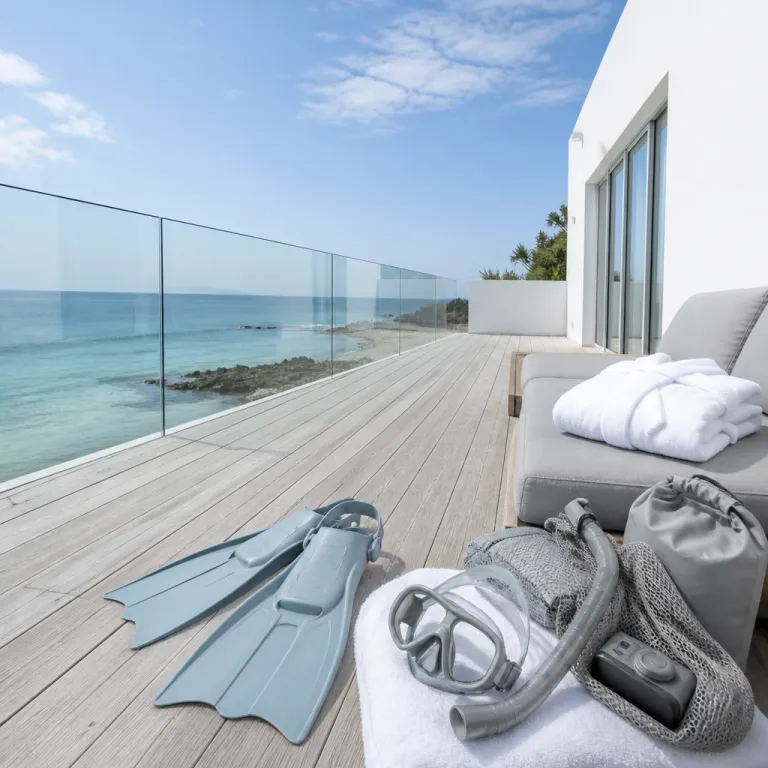
How your hotel choice shapes access to the best snorkeling spots in Bermuda
Choosing a hotel in Bermuda is not only about the room; it is also about how easily you can reach the best snorkeling spots in Bermuda. When you stay near a sheltered bay or a calm beach with clear waters, you gain precious time in the day and can step straight from breakfast to a world of coral and fish beneath the surface. For travellers who value marine life and refined comfort, aligning hotel location with nearby snorkeling spot options is one of the smartest decisions you can make.
Properties along the north shore of the island often give faster access to famous reefs and to sites such as Tobacco Bay, Blue Hole Park and the historic wreck of HMS Vixen, which lies in shallow water near Daniel’s Head. On the south coast, several resorts sit above stretches of pink sand beach where shallow water and crystal clear visibility create a gentle snorkeling experience for mixed skill levels in one family or group. When you compare hotels, ask specifically about walking distance to the sea, on site snorkel gear availability and whether staff can arrange guided snorkeling tours with reputable marine operators.
Many guests underestimate how rough seas and wind direction can affect snorkeling in Bermuda, so a concierge who understands local water patterns is invaluable. If your hotel can arrange flexible transport to alternative snorkeling spots in Bermuda, you will not lose a day when the north shore reefs are choppy but the south coast coral reef areas remain calm. Look for properties that work closely with established local tour companies, because experienced crews run boat and jet ski excursions to offshore coral reefs and to more remote islands such as Cooper Island and North Rock; the Bermuda Tourism Authority notes that water clarity on calm summer days can often reach 15–30 metres, which explains why these trips are so popular.
Staying near sheltered bays and beaches for relaxed snorkeling days
For guests who prefer to snorkel directly from the beach, staying near a protected bay is the most convenient option. Tobacco Bay on the north side of Bermuda is a classic example, with shallow water, a sandy entry and rock formations that shelter the area from rough seas on many days. Here, even first time snorkelers can float above coral and watch blue parrotfish and other colourful fish explore the reef only a few metres from the shore.
Hotels and guesthouses in St George’s Parish place you within a short taxi ride of around 5–10 minutes, or even a scenic 20–30 minute walk, of this famous snorkeling spot, which is ideal if you want to split your time between the historic town and the sea. For instance, guests at The St. George’s Club typically reach Tobacco Bay in about 15–20 minutes on foot, while those staying at nearby small inns often stroll to the water in a similar time. Because the bay is compact and ringed by rocks, it offers one of the best snorkeling options for families who need to keep different skill levels in sight while still enjoying vibrant marine life; when you book, ask whether the property provides snorkel gear on site or can arrange same day rental, as this saves luggage space and simplifies your beach routine.
Several south shore beaches also offer inviting clear waters and easy entries, though the coral reefs tend to sit slightly farther offshore than at Tobacco Bay. From a hotel near these beaches, such as Coco Reef Resort or Pompano Beach Club, you can usually walk down to the sand in under 10 minutes and enjoy a quieter snorkeling experience before day visitors arrive. Always check the daily sea conditions with hotel staff, because even a beautiful beach can see stronger swell, and you want to choose the safest spot for your time in the water.
Offshore reefs, North Rock and Blue Cut: choosing hotels for boat based adventures
Some of the most impressive coral reefs in Bermuda lie offshore, so guests who want these sites should prioritise hotels with strong connections to marine tour operators. North Rock and Blue Cut are two celebrated reef systems in the open sea, where coral reefs rise from deeper water to form a coral sea landscape rich in marine life. From the deck of a small boat, you slip into crystal clear water and find yourself above intricate coral reef structures alive with fish and other creatures.
Staying in Hamilton or near major marinas on the island makes it easier to join scheduled snorkeling tours that visit North Rock, Blue Cut and nearby coral reefs in one outing. Typical boat rides from central marinas take roughly 30–60 minutes, and operators provide snorkel gear and life jackets so you can travel light from your hotel room. Their published guidance often notes that summer months offer the warmest waters and best visibility, with underwater clarity frequently reaching 15–30 metres on calm days, a figure echoed in materials from the Bermuda Institute of Ocean Sciences and local dive centres.
Because offshore sites are more exposed to rough seas, flexibility is essential, and a concierge who can rebook you quickly is a real asset. When conditions are ideal, these locations deliver some of the best snorkeling in Bermuda, with clear waters that let you see many metres beneath surface to the reef below. If the forecast looks unsettled, your hotel can often redirect you to a more sheltered snorkeling spot closer to the island, ensuring you still enjoy quality time in the water and can easily return for lunch or an afternoon rest.
Shipwrecks, HMS Vixen and Blue Hole: pairing history and marine life with your stay
Bermuda is famous for its shipwrecks, and travellers who value history as much as marine life should choose hotels that make these sites accessible. The partially submerged wreck of HMS Vixen near the north shore is a favourite for snorkelers, because the hull lies in shallow water where coral and fish now share the structure. From the surface you can see the outline of the ship, while a short snorkel brings you face to face with the marine community that has claimed this coral reef like habitat.
Hotels in the western and central parishes often work with tour operators who include HMS Vixen in half day snorkeling experience itineraries, which is ideal if you prefer to return to your room by mid afternoon. These excursions suit a range of skill levels, since guests can either stay near the surface or dive slightly deeper to inspect details of the wreck and surrounding reefs. Ask your concierge whether the tour includes snorkel gear and whether guides provide context about the island’s maritime history, because this transforms a simple swim into a richer cultural activity; one local guide summed it up by saying that “every wreck here is both a museum and a reef.”
On the opposite side of the island, Blue Hole Park offers a different kind of snorkeling spot, where clear waters fill limestone sinkholes framed by forest. Here, the sea connects with inland pools, and you can float above rock ledges while shafts of blue light filter down from the surface. A hotel in the eastern part of Bermuda shortens travel time to this area, typically to 15–25 minutes by taxi from many properties, allowing you to explore both the park and nearby beaches in one relaxed day and still be back in time for dinner.
Planning around weather, seasons and daily sea conditions from your hotel
Even in a destination with generally clear waters, timing matters, so use your hotel as a planning hub for each snorkeling day. Reception teams and concierges monitor local forecasts and can advise whether the north shore or south shore offers calmer water and better visibility at a given time. This guidance is crucial, because rough seas can quickly turn an appealing bay into a challenging snorkeling spot, especially for less confident swimmers.
Summer brings the warmest water temperatures and often the best snorkeling conditions, with sea temperatures commonly ranging from about 26–29°C (79–84°F) according to data cited by the Bermuda Weather Service and regional oceanographic summaries, which aligns with the period when many hotels run dedicated marine programmes. During these months, you can expect more frequent boat departures to North Rock, Blue Cut, Cooper Island and other offshore reefs, giving you several options even if one coral sea area is too windy. In shoulder seasons, you may find fewer scheduled tours, so staying at a property that can arrange private or small group outings helps you maintain flexibility.
Regardless of season, always check sea conditions on the morning of your planned snorkeling experience, not only the night before. If the forecast suggests stronger swell, your hotel might recommend a sheltered beach or bay with shallow water, where you can still enjoy marine life close to shore. Build this adaptability into your itinerary, and you will make the most of every clear blue day in Bermuda while still having time for other activities such as coastal walks or historic tours.
Practical hotel based tips for snorkel gear, safety and comfort
Thoughtful preparation at your hotel each morning can transform a simple swim into a polished snorkeling experience. Before you leave your room, confirm whether you will rent snorkel gear at the beach, borrow it from the property or bring your own mask, snorkel and fins. Many hotels keep a small stock of equipment for guests, but serious snorkelers often prefer their own gear for the best fit and comfort in the water.
Ask reception whether beach towels are provided for off site use, and whether there is a secure place to rinse and dry your equipment when you return from the sea. This small detail matters, because properly dried gear lasts longer and is more pleasant to use on your next visit to a coral reef or bay. If you plan multiple days of snorkeling in different spots, consider booking a room with a balcony, which makes it easier to air towels and clothing after time in salt water and keeps your room more comfortable.
For a quick pre departure checklist, confirm the day’s sea conditions, jellyfish or current advisories, tour meeting times, transport to and from the beach, and whether you need cash or cards for on site rentals. Many properties keep printed information about nearby beaches, including which ones are patrolled and which offer the clearest waters for families or for more adventurous snorkelers, and some hotels also provide internal links on their websites to detailed guides about local bays and reefs. Combine this local knowledge with your own preferences, and you will enjoy the best balance of comfort, marine life and elegance throughout your stay in Bermuda.
Key figures for snorkeling and marine tourism in Bermuda
- Bermuda is widely reported to host hundreds of documented shipwrecks scattered around the island, giving snorkelers and divers an unusually dense concentration of historic sites in a compact sea area; exact counts vary by source and survey method, but the Bermuda Tourism Authority and local dive operators commonly reference figures in the low hundreds.
- Snorkeling tours typically operate during daytime hours, with morning and afternoon departures, allowing hotel guests to plan around meals and other activities without rushing their marine excursions; many operators publish seasonal timetables so concierges can match guests to suitable departure times.
- Local operators report growing interest in eco friendly and marine conservation focused tours, which encourages hotels to partner with guides who emphasise reef protection and responsible interaction with marine life, often drawing on guidance from organisations such as the Bermuda Zoological Society.
FAQ: best time to snorkel in Bermuda
Summer offers the warmest water temperatures and generally the best visibility for snorkeling around Bermuda’s reefs and bays. During this period, sea conditions are often calmer, and hotels can connect you with more frequent boat tours to offshore sites such as North Rock and Blue Cut. If you visit outside peak season, you can still enjoy clear waters, but you should rely more on daily local advice from your hotel and check any snorkeling guides or internal links they provide for updated recommendations.
FAQ: are there snorkeling tours suitable for beginners
Yes, many tour operators in Bermuda design snorkeling experiences specifically for beginners and mixed skill levels. These trips usually visit sheltered reefs in shallow water, where guests can stand or float comfortably while observing marine life. When booking through your hotel, mention your confidence level so staff can match you with the most appropriate snorkeling spot and guide, and ask whether they have a beginner friendly snorkeling guide or map you can review in advance.
FAQ: can I rent snorkeling equipment in Bermuda
Snorkel gear rental is widely available at beaches, dive shops and through tour operators across Bermuda. Some hotels keep basic masks, snorkels and fins on site, while others work with nearby suppliers who deliver equipment directly to the property. If fit and hygiene are priorities for you, consider bringing your own mask and snorkel, then renting fins locally to reduce luggage weight while still enjoying high quality gear.
FAQ: how far in advance should I book snorkeling tours from my hotel
During busy holiday periods, you should reserve popular snorkeling tours several days in advance through your hotel concierge. Offshore trips to North Rock, Blue Cut or Cooper Island can fill quickly, especially on days with ideal sea conditions. In quieter months, you may secure places closer to departure, but advance booking still gives you the best choice of time and snorkeling spot and allows staff to coordinate any transport you might need.
FAQ: what safety measures should hotel guests follow when snorkeling
Always check weather and sea conditions with hotel staff before leaving, and avoid snorkeling alone, particularly at remote reefs or in unfamiliar bays. Use life jackets if you are not a strong swimmer, stay within designated areas and respect guidance from local operators about currents and marine life. Applying reef safe sunscreen and avoiding contact with coral also protects both your skin and the fragile ecosystem you came to enjoy, supporting the conservation efforts highlighted by many local marine education groups.